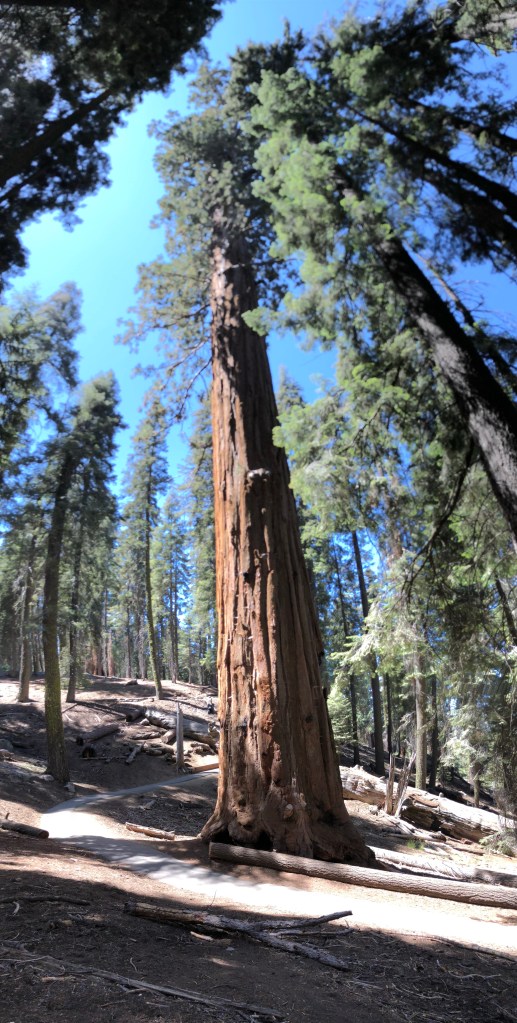
The west lowers the veil of transition, the mark of endings.
It is in the south where I meet my soul.
We sit and watch the rising and setting sun cast against the earth and sky over and over again.
Humbly and joyfully admiring the ever changing landscape of transitions, the beauty in the unknown as it takes shape each dawn and dusk, and the vast expanse of opportunity in between.
It doesn’t matter how much power you have if you don’t allow it to burst out and serve you.
So many times I have used my power to suppress my own needs, my voice, my self-advocacy…all for the sake of “preserving the peace.” But, how can peace be preserved when a battle rages within me to suppress my own feelings and needs simply to avoid the risk of imploring you to revel in my power to know myself. Ah, yes, there is a chance that you will be wounded in the wake of my power, but that wound I can hold with much greater compassion than the devastation that comes from turning my power against myself.
My power transforms from exploding within to bright and shining rays of love and truth when authentically attuned. I begin to recognize that honesty is a demonstration of true prowess and the recognition of woundedness an opportunity to be powerful in kindness, forgiveness, and grace.
My power magnifies when I allow it to burst out and serve me, so much so that it can hold all of the discomfort, all of the woundedness, all of the needs and feelings — yours and mine – and in that outburst peace is preserved.
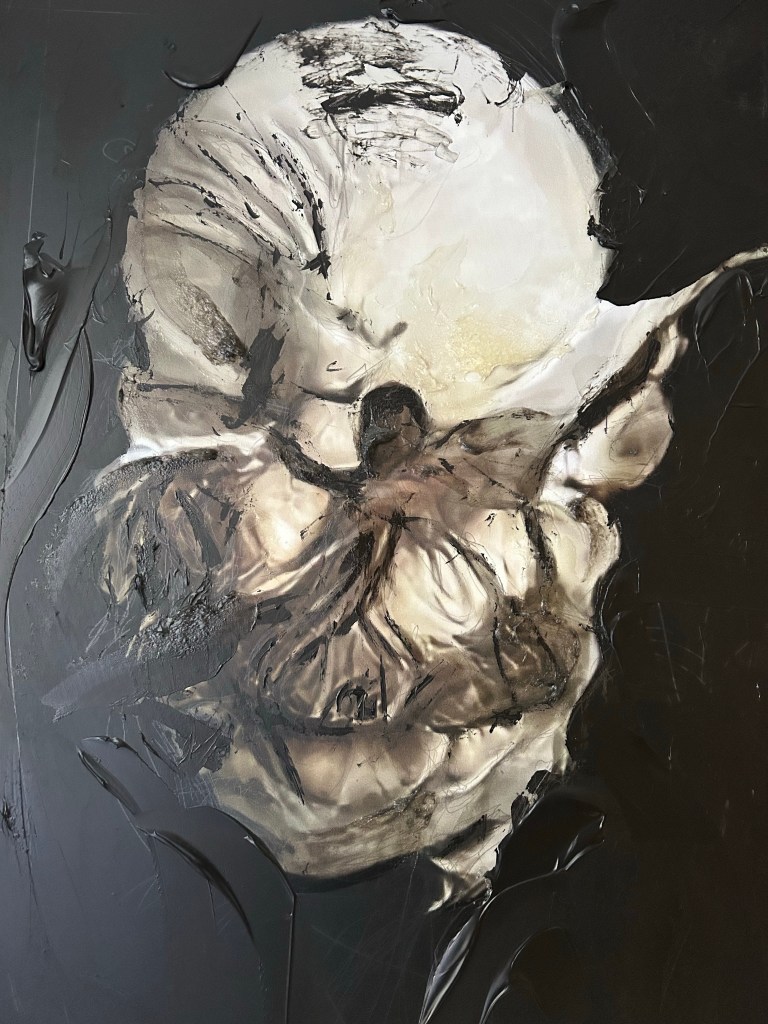
The Ackland Museum at the University of North Carolina Chapel Hill just hosted an exhibit entitled “Good Object/Bad Object,” inviting visitors to examine works of art that defy customary decorum and could be called “bad” because they are unpredictably designed yet they achieve an emotional depth and resonant beauty equal to “good” art.
Bad objects are opportunities to explore the edge of our comfort zone and try on new ways of seeing the world.
When the role is taken on responsibly, a bad object can be the catalyst of change and inspire different thinking.
Isn’t it interesting how quickly we humans need to label things as good or bad when often those characteristics are circumstantial. Nature doesn’t operate that way.
In humans, often when a bad object occurs without sufficient planning and understanding, the artist might become defensive or even resentful, denying accountability for their creation. If they have not been provided the encouragement and freedom to create outside of traditional constructs, the artist might try to hide the bad object, its potential emotional depth and beauty lost.
More often than not these days I find myself stronger, more confident, and more accomplished when I step into the role of “bad object.” It is not that I am not good at these times. It is that I willingly take responsibility for non-conforming, breaking a patterned interaction, and inciting a shift in perspective to achieve a familiar level of resonance in an unfamiliar way.
There is a role for each of us as good objects and bad objects. The contrast reminds us of our undeniable ability to contain emotional depth and resonant beauty in the most surprising ways.