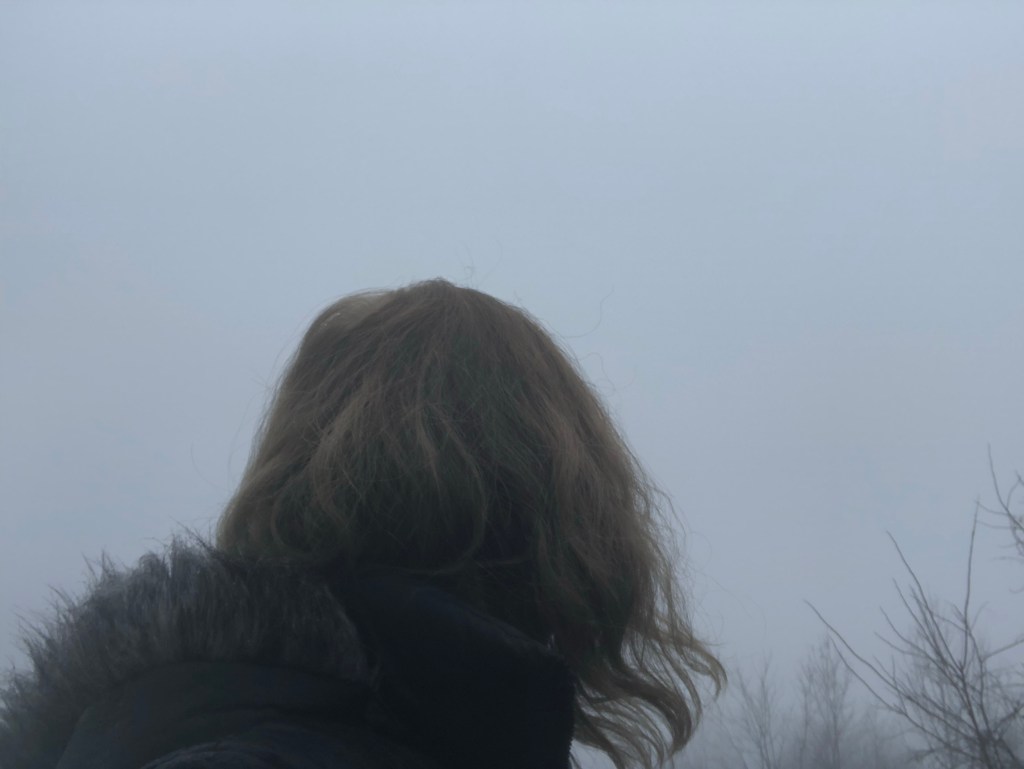
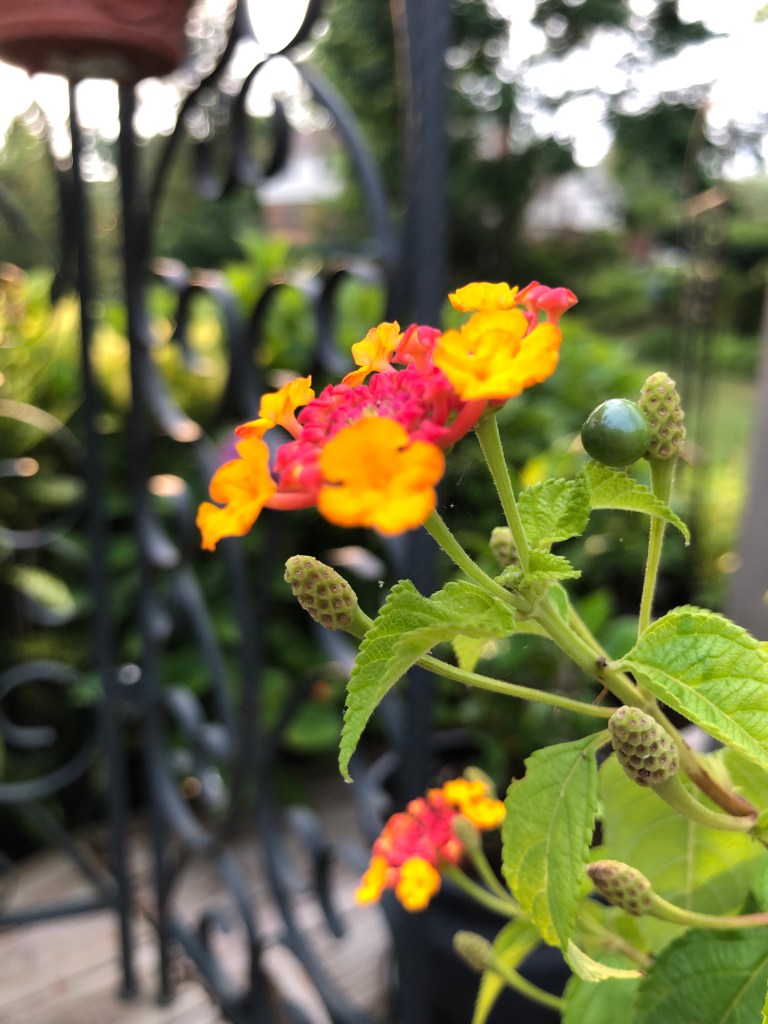
I had no idea that as I tore down the wall to rescue my abandoned self that I would nearly smother in the rubble.
Even when loss is experienced in a way that relieves abuse, abandonment and betrayal, the disruption it causes and the pain of breaking through the barriers to healing oneself are great.
And those who helped to build the wall, who reveled in the obstructing and ostracizing of that true self, walk away unphased by the devastation left behind. They go on to build thicker walls around themselves and others.
While their departure ensures the wall they left behind is not reinforced, it hurts that they do nothing to help remove the heavy stones, broken shards, and pieces of what they worked so relentlessly to build.
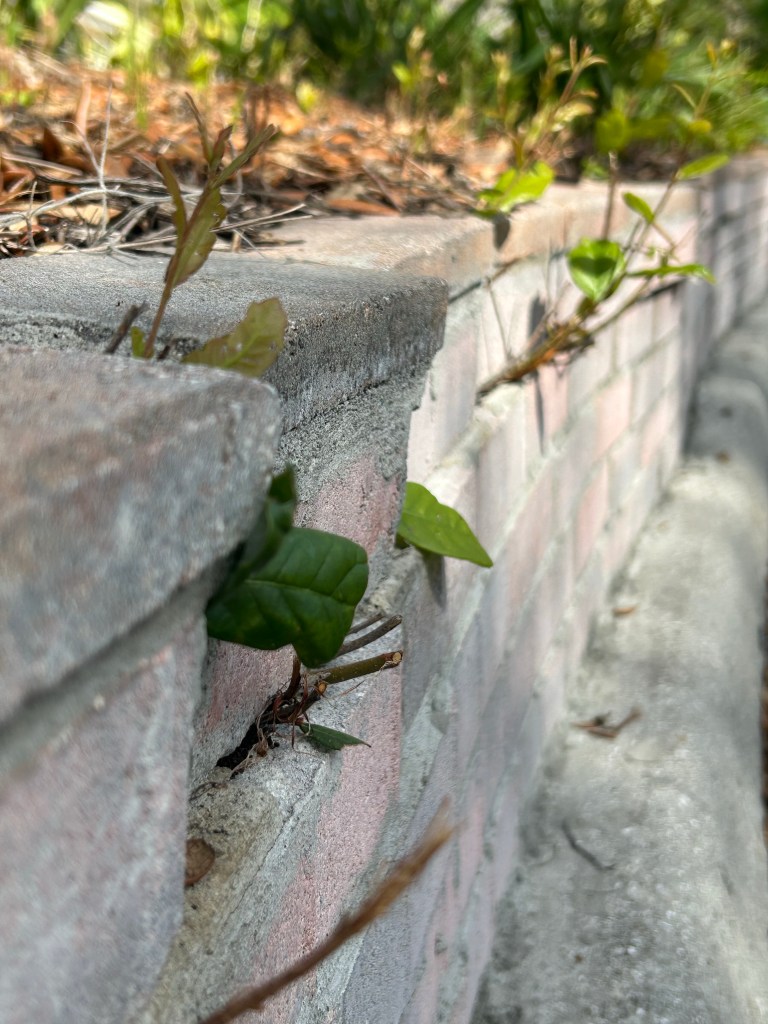
That burden rests on the shoulders of the self behind the wall. One by one the stones are slid aside. The dust settles. The light starts to shine through the piles and pieces as the opening grows wider and wider.
The power in seeing that self emerge, pale and weak at first – labored breathing, heavy and slow moving, still patiently and methodically forging ahead and finding its way – is so sweet to witness…even in its efforting.
That self digging out from the rubble need not feel animosity, anger, or resentment. No, that self is not needing to be rescued.
That self is triumphing in the freedom of self-acknowledgment, self-care, and self-worth.
Much of the power in healing comes from the self not needing to be rescued. The power is in putting aside the rubble and freeing oneself.
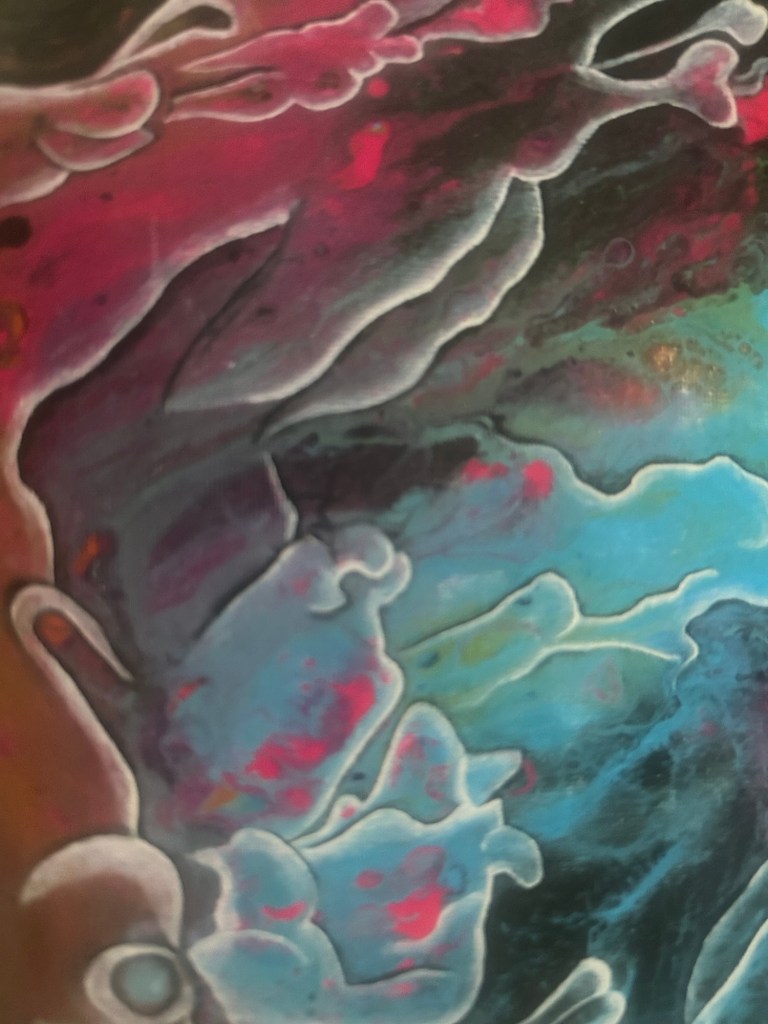
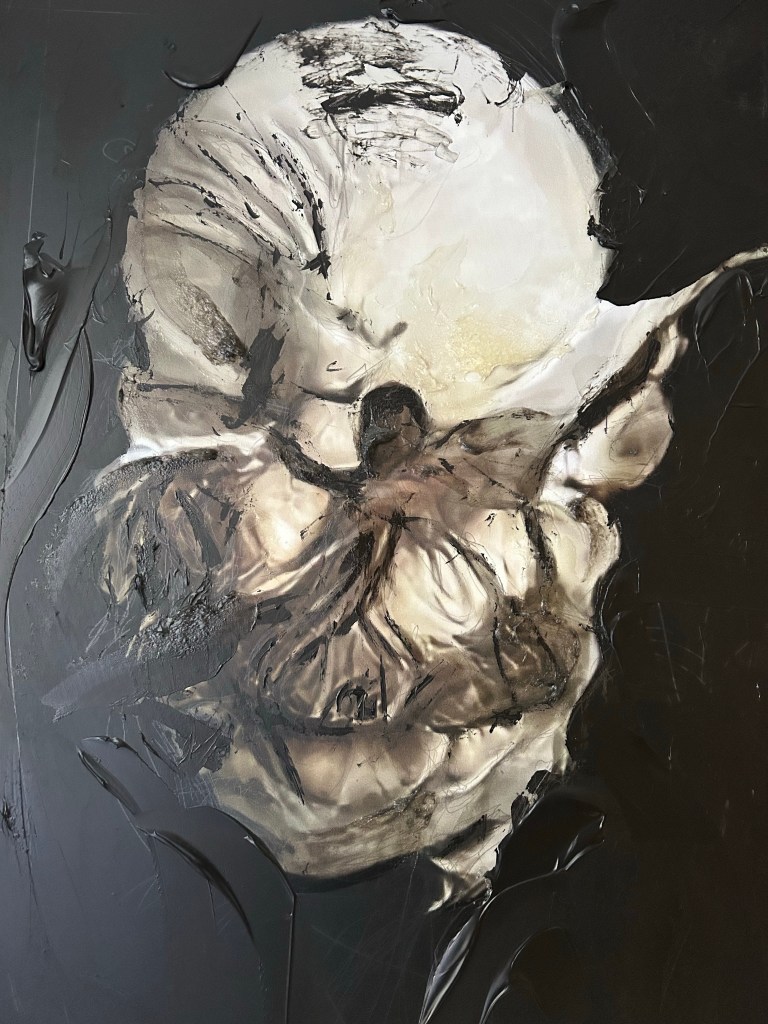
The Ackland Museum at the University of North Carolina Chapel Hill just hosted an exhibit entitled “Good Object/Bad Object,” inviting visitors to examine works of art that defy customary decorum and could be called “bad” because they are unpredictably designed yet they achieve an emotional depth and resonant beauty equal to “good” art.
Bad objects are opportunities to explore the edge of our comfort zone and try on new ways of seeing the world.
When the role is taken on responsibly, a bad object can be the catalyst of change and inspire different thinking.
Isn’t it interesting how quickly we humans need to label things as good or bad when often those characteristics are circumstantial. Nature doesn’t operate that way.
In humans, often when a bad object occurs without sufficient planning and understanding, the artist might become defensive or even resentful, denying accountability for their creation. If they have not been provided the encouragement and freedom to create outside of traditional constructs, the artist might try to hide the bad object, its potential emotional depth and beauty lost.
More often than not these days I find myself stronger, more confident, and more accomplished when I step into the role of “bad object.” It is not that I am not good at these times. It is that I willingly take responsibility for non-conforming, breaking a patterned interaction, and inciting a shift in perspective to achieve a familiar level of resonance in an unfamiliar way.
There is a role for each of us as good objects and bad objects. The contrast reminds us of our undeniable ability to contain emotional depth and resonant beauty in the most surprising ways.
a belief that we are all equal and deserving of freedom,
free from the risks of learning.
It takes purity of mission,
integrity of intention,
clarity of thoughts,
truthful words,
and a loving heart.
Purity is the essence of forgiveness,
wiping away our grudges,
removing hurtles,
clearing the slate.
There is a lightness and ease for both the forgiven and the forgiver when judgment and expectation are released and we are each allowed to experience learning and loving
Holding out hope for resolution or dissolution of pain or suffering brings heartache…a direct misalignment of the brain and heart as the heart knows that change is needed but the head resists the shift because it’s too much work to reorganize the memories, beliefs, stories. Gestures we make toward evolution instead of resolution free us to make transitions knowing all will be ok.
The shift doesn’t erase or do away with feelings – it alters receptivity and focus, it forges new pathways of being and seeing and offers a beautiful contrast informing contentment, the capacity to just be, absent good or bad. Contentment when fully present and balanced fuels joy and joy fuels awe…unconditional delight in experiencing evolution over resolution.