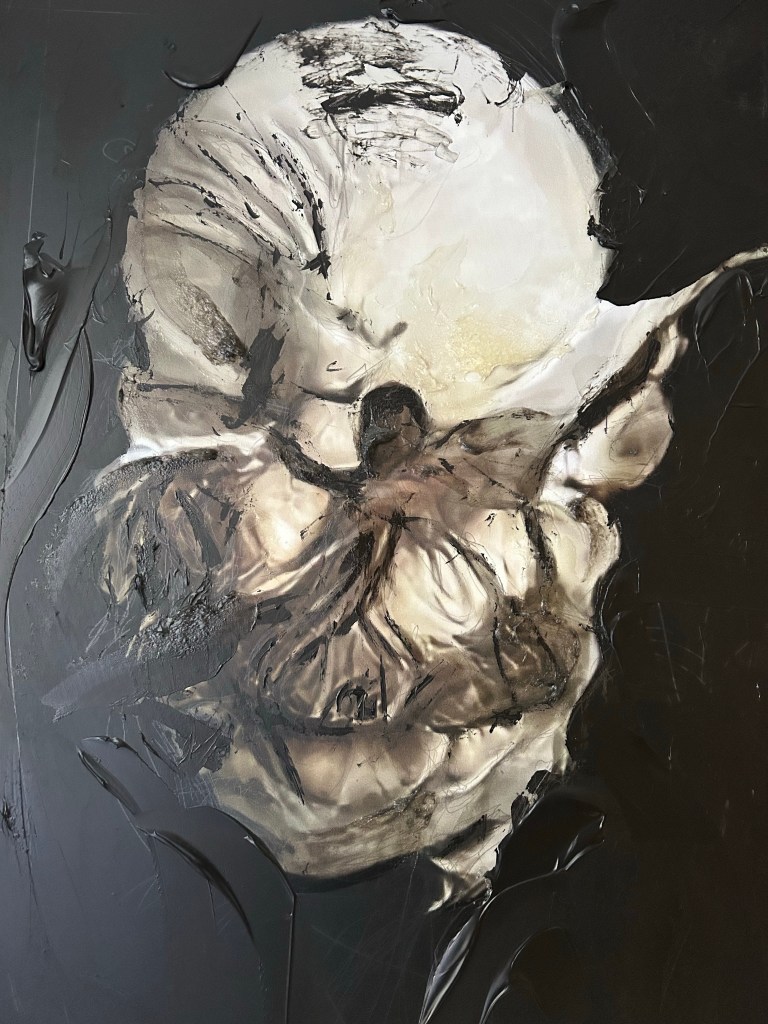
The Ackland Museum at the University of North Carolina Chapel Hill just hosted an exhibit entitled “Good Object/Bad Object,” inviting visitors to examine works of art that defy customary decorum and could be called “bad” because they are unpredictably designed yet they achieve an emotional depth and resonant beauty equal to “good” art.
Bad objects are opportunities to explore the edge of our comfort zone and try on new ways of seeing the world.
When the role is taken on responsibly, a bad object can be the catalyst of change and inspire different thinking.
Isn’t it interesting how quickly we humans need to label things as good or bad when often those characteristics are circumstantial. Nature doesn’t operate that way.
In humans, often when a bad object occurs without sufficient planning and understanding, the artist might become defensive or even resentful, denying accountability for their creation. If they have not been provided the encouragement and freedom to create outside of traditional constructs, the artist might try to hide the bad object, its potential emotional depth and beauty lost.
More often than not these days I find myself stronger, more confident, and more accomplished when I step into the role of “bad object.” It is not that I am not good at these times. It is that I willingly take responsibility for non-conforming, breaking a patterned interaction, and inciting a shift in perspective to achieve a familiar level of resonance in an unfamiliar way.
There is a role for each of us as good objects and bad objects. The contrast reminds us of our undeniable ability to contain emotional depth and resonant beauty in the most surprising ways.
So many times I have wished for a window into the future, into the consequences of my choices.
Seeking certainty in my decisions, weighing my intuition against the feedback in my environment, just to be sure I am getting the best deal, walking the right path, doing the proper thing.
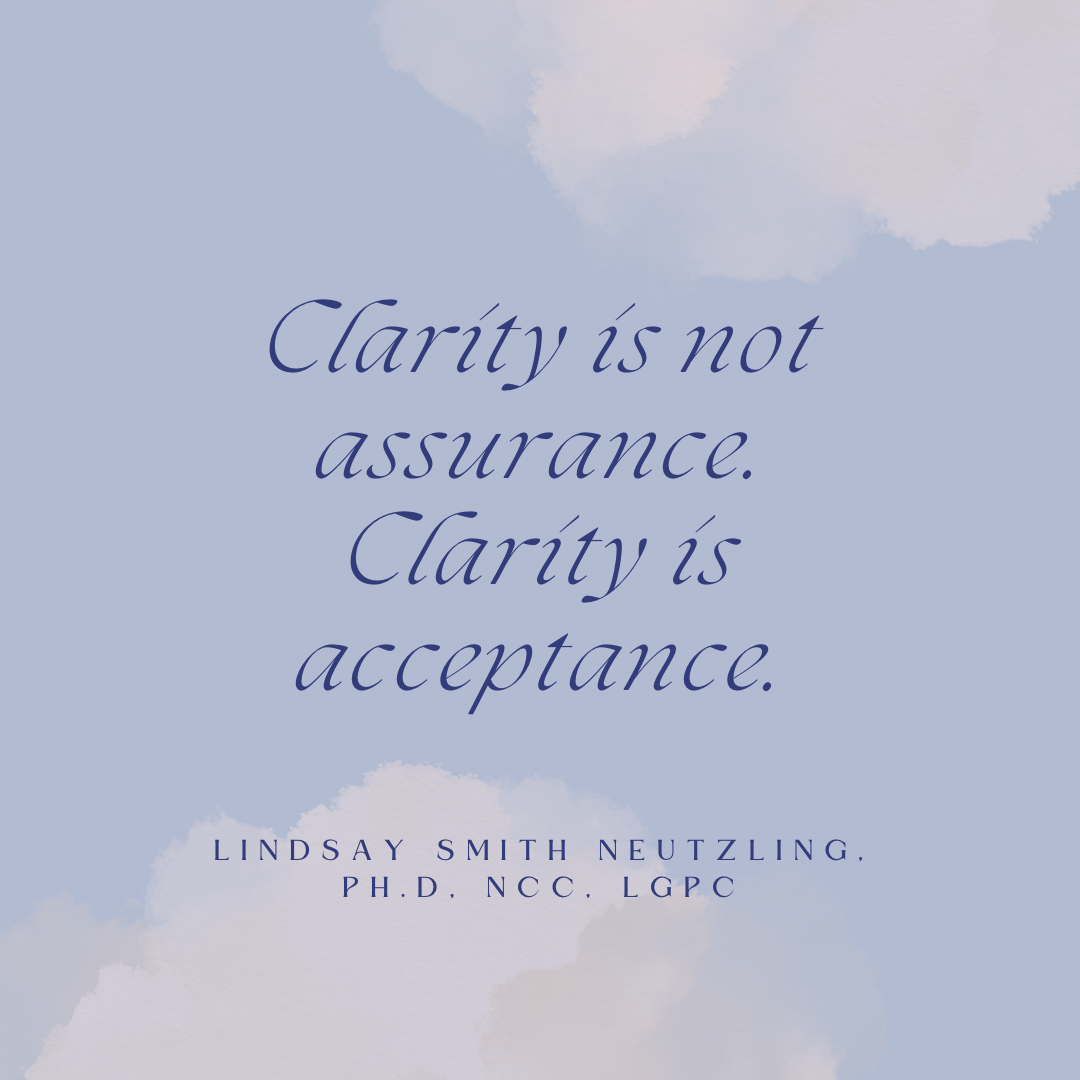
All along I have sought clarity to fuel my certainty. I thought that clarity would provide assurance as if my choices could ever be right or wrong.
The day I chose acceptance over assurance is the day I began to realize there are no good and bad choices, no right or wrong.
When I seek assurance in my choices, I am doubting my capacity to be flexible, creative, and resilient.
When I seek to accept my choices I engage compassion for myself and confidence that I will be ok no matter what choice I make.
Standing on the precipice, mountains before me and behind me, I contemplate briefly the ascent or decent into the unknown.
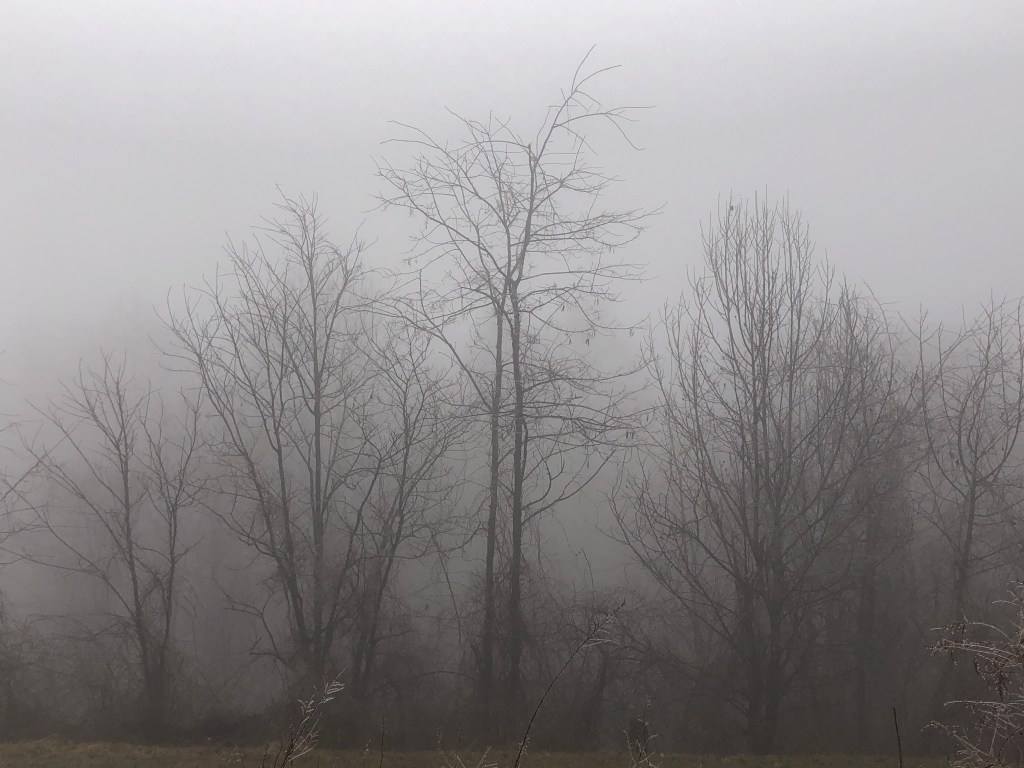
No worries that the fog hinders my view because I feel my feet. I know that each moment, step by attuned step, I will find the earth and the sure footing that only comes with internal clarity.
Like the goat that climbs the rocks and edges of the cliffs with certainty, I approach the present, with the same attention to which I have all too often focused on my future and my past.
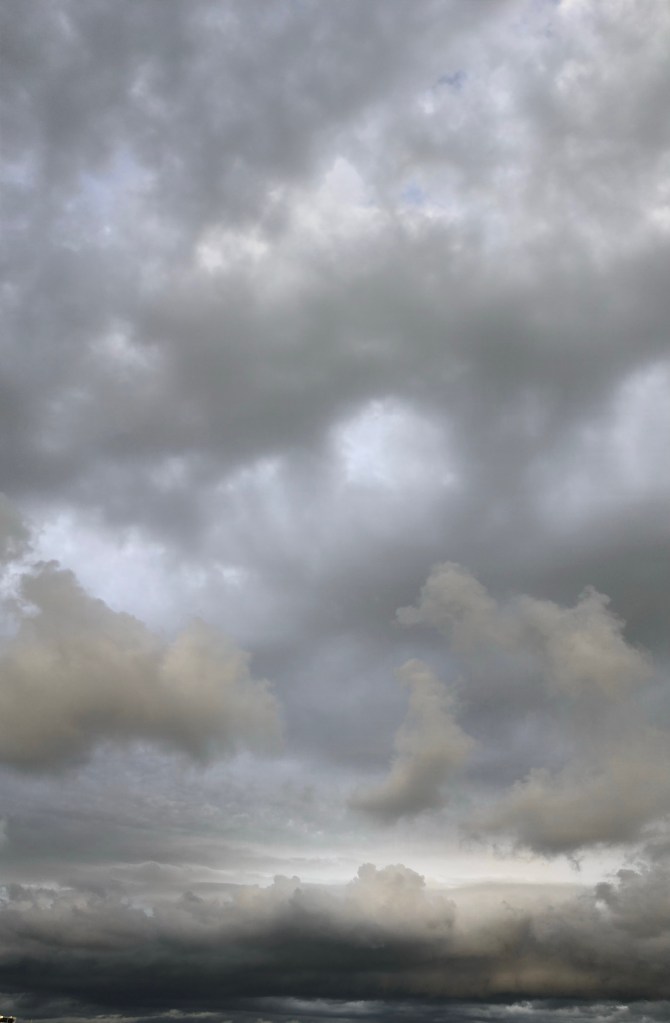
Looking back and looking forward the fog distorts the view. The lack of clarity forces me to see here, only that which is right in front of me.
In this moment, I put my hooves to the ground. I see the steps I need to take right here and now. I do not need to see the mountains in the foreground to know my way.


 Monday Mindfulness