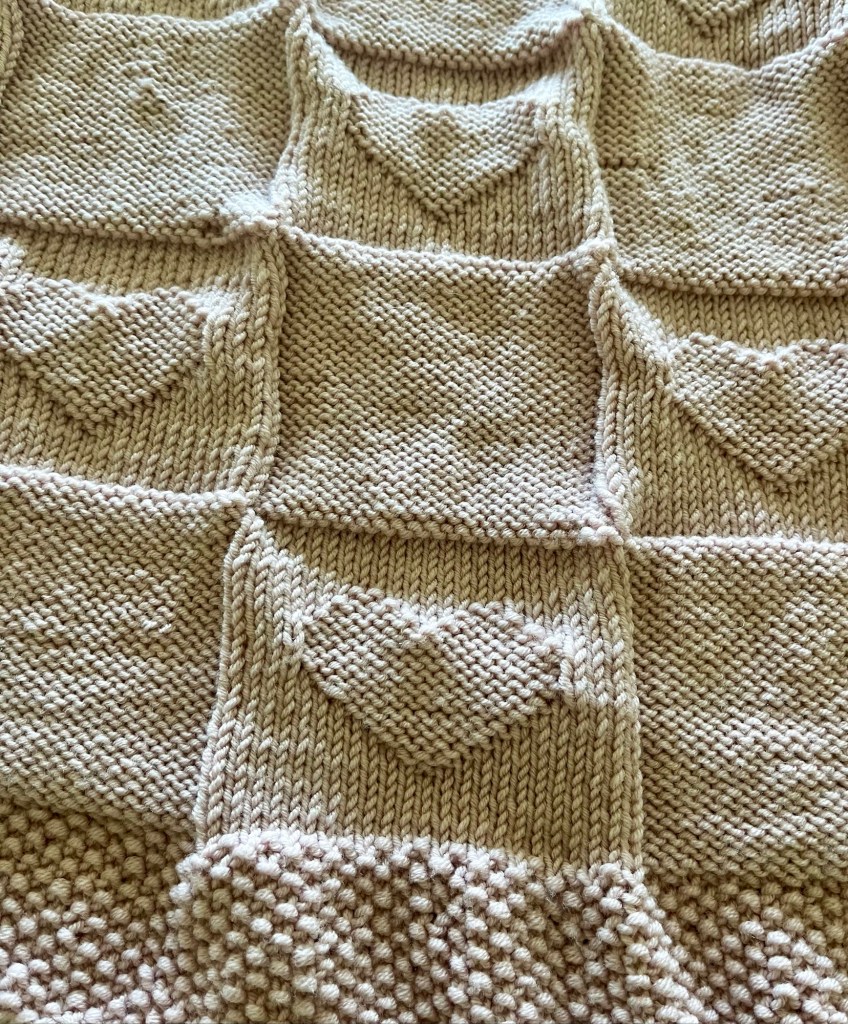
Imagine an artist hand-working a tapestry with such precision that it rippled with perfection, had no evidence of flaws in material or craftsmanship, and contained absolutely no mistakes.
Would the artist call it perfect? Would they feel any less insecure in the results of their work? Would they recognize their accomplishment? Could they see their work as flawless? Is there such a thing? Would they want to be? And how would this perfect tapestry be received any differently than any others?
The brave artist announces mistakes not in shame, with excuses, or expecting judgment, but with joy in knowing that imperfections are not signs of our flaws and weaknesses but demonstrations of our beauty – and our capacity for compassion and forgiveness. Imperfections provide opportunities for us to create, again and again, not for the sake of achieving perfection but as play with absolutely no desired outcome other than the act of creating itself.
We need not be embarrassed, fearful, or ashamed in our mistakes. We and others benefit every time we craft with complete vulnerability and humility. Each mistake is important as it leaves space for love to come through.
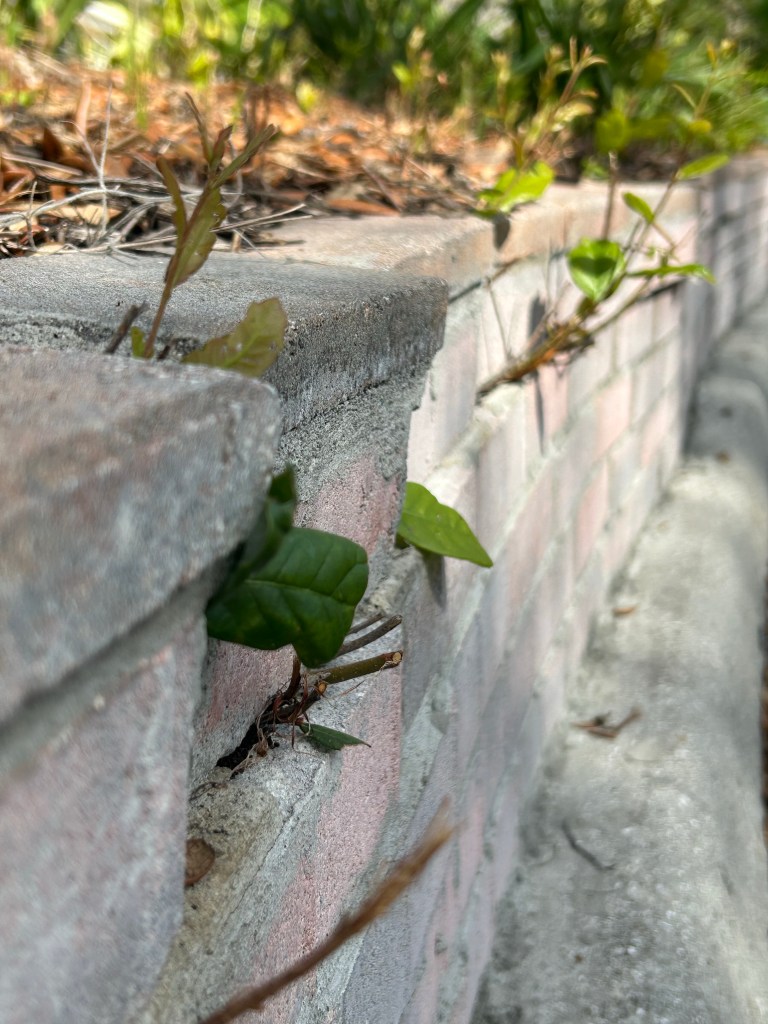
I had no idea that as I tore down the wall to rescue my abandoned self that I would nearly smother in the rubble.
Even when loss is experienced in a way that relieves abuse, abandonment and betrayal, the disruption it causes and the pain of breaking through the barriers to healing oneself are great.
And those who helped to build the wall, who reveled in the obstructing and ostracizing of that true self, walk away unphased by the devastation left behind. They go on to build thicker walls around themselves and others.
While their departure ensures the wall they left behind is not reinforced, it hurts that they do nothing to help remove the heavy stones, broken shards, and pieces of what they worked so relentlessly to build.
That burden rests on the shoulders of the self behind the wall. One by one the stones are slid aside. The dust settles. The light starts to shine through the piles and pieces as the opening grows wider and wider.
The power in seeing that self emerge, pale and weak at first – labored breathing, heavy and slow moving, still patiently and methodically forging ahead and finding its way – is so sweet to witness…even in its efforting.
That self digging out from the rubble need not feel animosity, anger, or resentment. No, that self is not needing to be rescued.
That self is triumphing in the freedom of self-acknowledgment, self-care, and self-worth.
Much of the power in healing comes from the self not needing to be rescued. The power is in putting aside the rubble and freeing oneself.
We are wired for connection…to thrive these connections must be established, mended, and maintained.
To Establish requires the courage to welcome something new and possibly quite uncomfortable.
To Mend calls upon our capacity to heal hurts and embrace the pains of growing.
To Maintain is the essence of flexibility and fortitude.
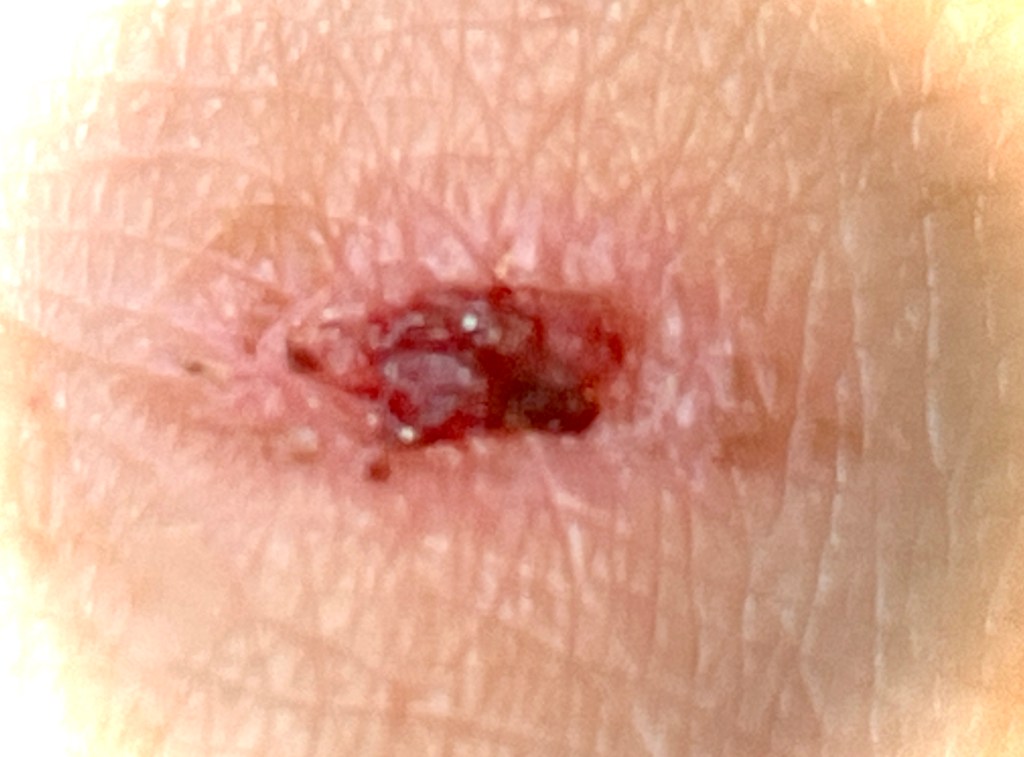
We watch and encourage the healing of the wounded body – its powerful transformation and rebirth, over and over again, ever celebrating its capacity to establish, mend, and maintain.
If only the heart and mind were afforded such a generous space of repair and connection.