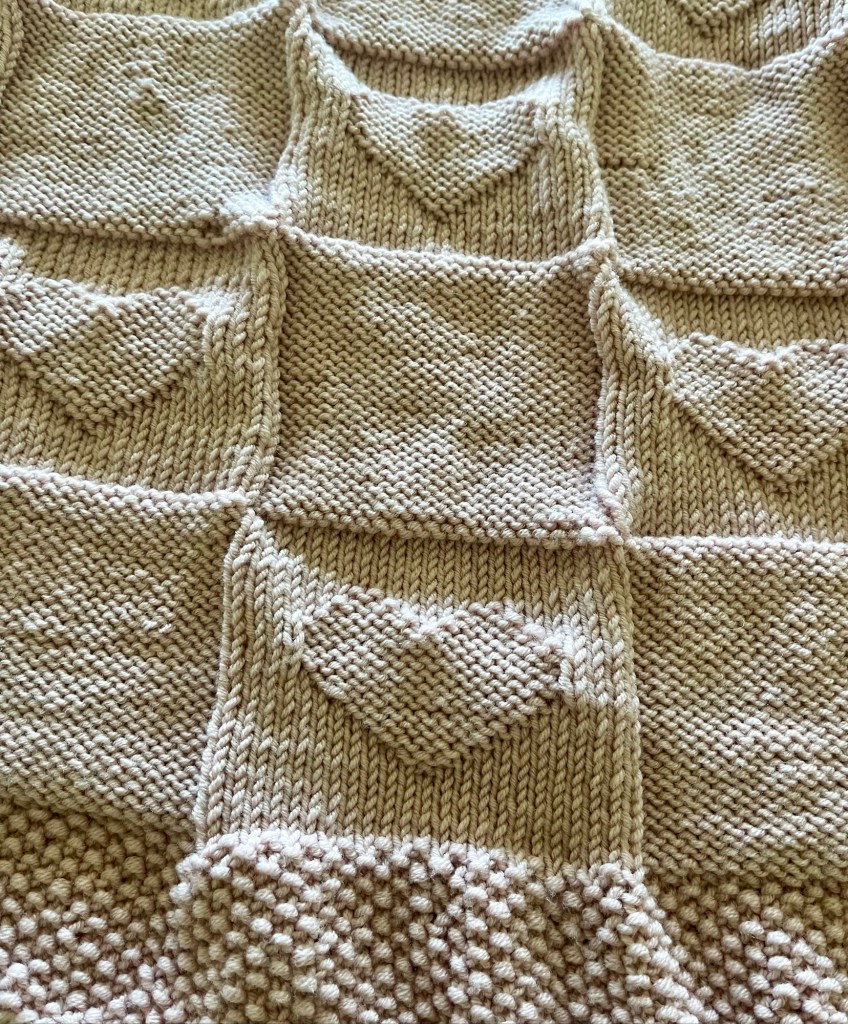
Imagine an artist hand-working a tapestry with such precision that it rippled with perfection, had no evidence of flaws in material or craftsmanship, and contained absolutely no mistakes.
Would the artist call it perfect? Would they feel any less insecure in the results of their work? Would they recognize their accomplishment? Could they see their work as flawless? Is there such a thing? Would they want to be? And how would this perfect tapestry be received any differently than any others?
The brave artist announces mistakes not in shame, with excuses, or expecting judgment, but with joy in knowing that imperfections are not signs of our flaws and weaknesses but demonstrations of our beauty – and our capacity for compassion and forgiveness. Imperfections provide opportunities for us to create, again and again, not for the sake of achieving perfection but as play with absolutely no desired outcome other than the act of creating itself.
We need not be embarrassed, fearful, or ashamed in our mistakes. We and others benefit every time we craft with complete vulnerability and humility. Each mistake is important as it leaves space for love to come through.
According to the principles of quantum physics, everything is made of particles. It is only when I apply my awareness that the particles become matter in my environment. My mind and heart work together to define how my environment becomes my experience.
While my existence is mind and heart over matter, so often I perceive it as the other way around.
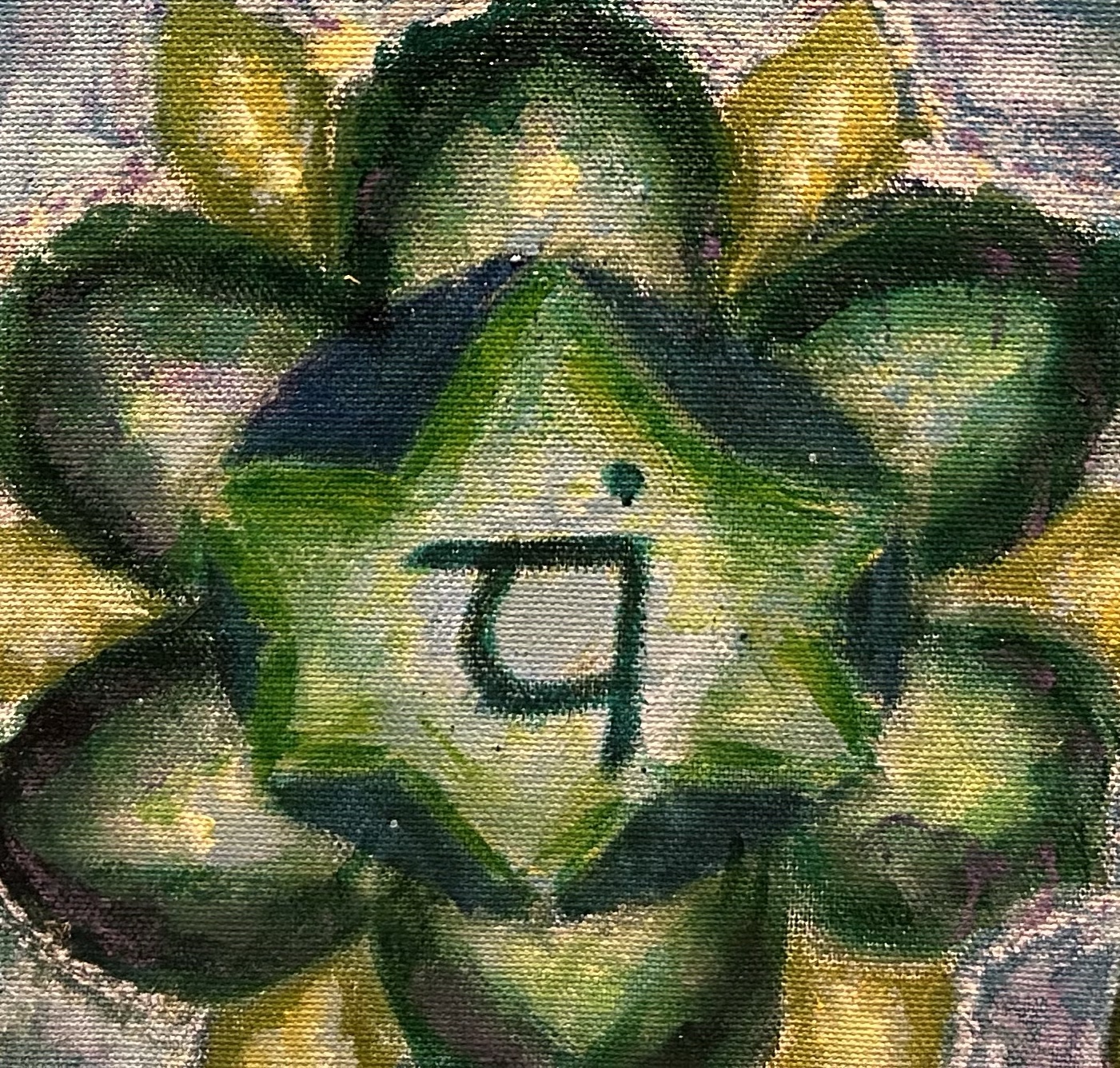
What I perceive is what becomes. The canvas is blank, the potential limitless. Free from rationalization and explanation, inner knowing is my medium. I become the creator.
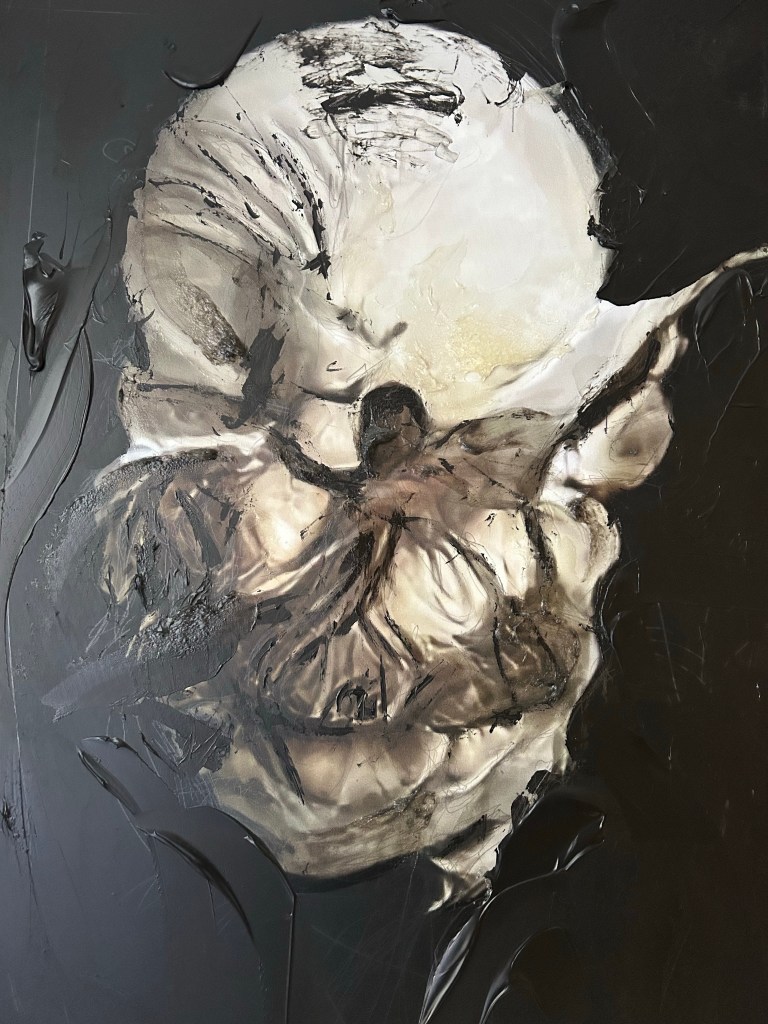
The Ackland Museum at the University of North Carolina Chapel Hill just hosted an exhibit entitled “Good Object/Bad Object,” inviting visitors to examine works of art that defy customary decorum and could be called “bad” because they are unpredictably designed yet they achieve an emotional depth and resonant beauty equal to “good” art.
Bad objects are opportunities to explore the edge of our comfort zone and try on new ways of seeing the world.
When the role is taken on responsibly, a bad object can be the catalyst of change and inspire different thinking.
Isn’t it interesting how quickly we humans need to label things as good or bad when often those characteristics are circumstantial. Nature doesn’t operate that way.
In humans, often when a bad object occurs without sufficient planning and understanding, the artist might become defensive or even resentful, denying accountability for their creation. If they have not been provided the encouragement and freedom to create outside of traditional constructs, the artist might try to hide the bad object, its potential emotional depth and beauty lost.
More often than not these days I find myself stronger, more confident, and more accomplished when I step into the role of “bad object.” It is not that I am not good at these times. It is that I willingly take responsibility for non-conforming, breaking a patterned interaction, and inciting a shift in perspective to achieve a familiar level of resonance in an unfamiliar way.
There is a role for each of us as good objects and bad objects. The contrast reminds us of our undeniable ability to contain emotional depth and resonant beauty in the most surprising ways.
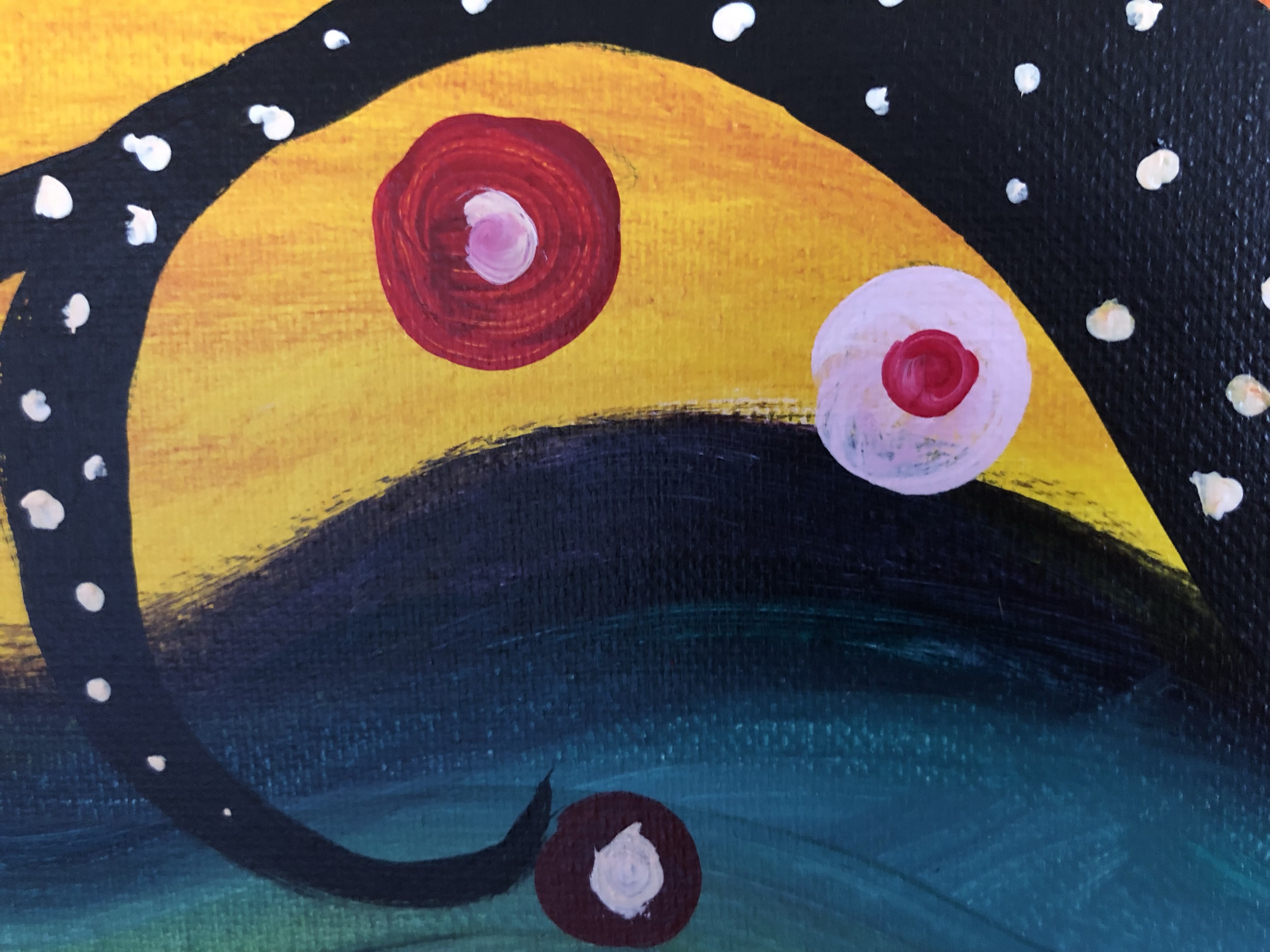
I am an open landscape on which you paint your experience.
I mirror back to you just what you put out there.
If you aren’t sure of what you are painting,
pause,
step back,
clear your mind,
open your heart.
Come sit a spell in my grand, vast emptiness before you start to fill the canvas with elements that may not produce the landscape best for the both of us.
Tread gently on the rolling hills,
pause and watch the rising and setting sun,
see ocean…
flowers…
wild flowing grasses…
Deep wooded forests.
The landscape is yours in which to play.
Just remember that whatever you add to this landscape – the meeting of your choice of media, colors and textures – is yours to assimilate and accommodate, not mine.
How often I have longed for the confidence of another, the apparent success of others, and what seems the ease with which they live.
Then I remember I have my own gifts and talents.
These thriving others are likely not concerned with what I have or don’t have and rather are living within their own gifts and abilities.
It is in living within our gifts that brings ease to our existence, success in our challenges, and the knowing that each of us contributes a beautiful and very special piece to the tapestry of all.
Much like in painting, when the unique colors blend just at their edges they are often more vibrant than when they stand alone or try to take on characteristics of the others and simply become mud.
Today, I aspire to walk confidently and brightly in the shades and shadows of my own unique talents and abilities.







 Monday Mindfulness