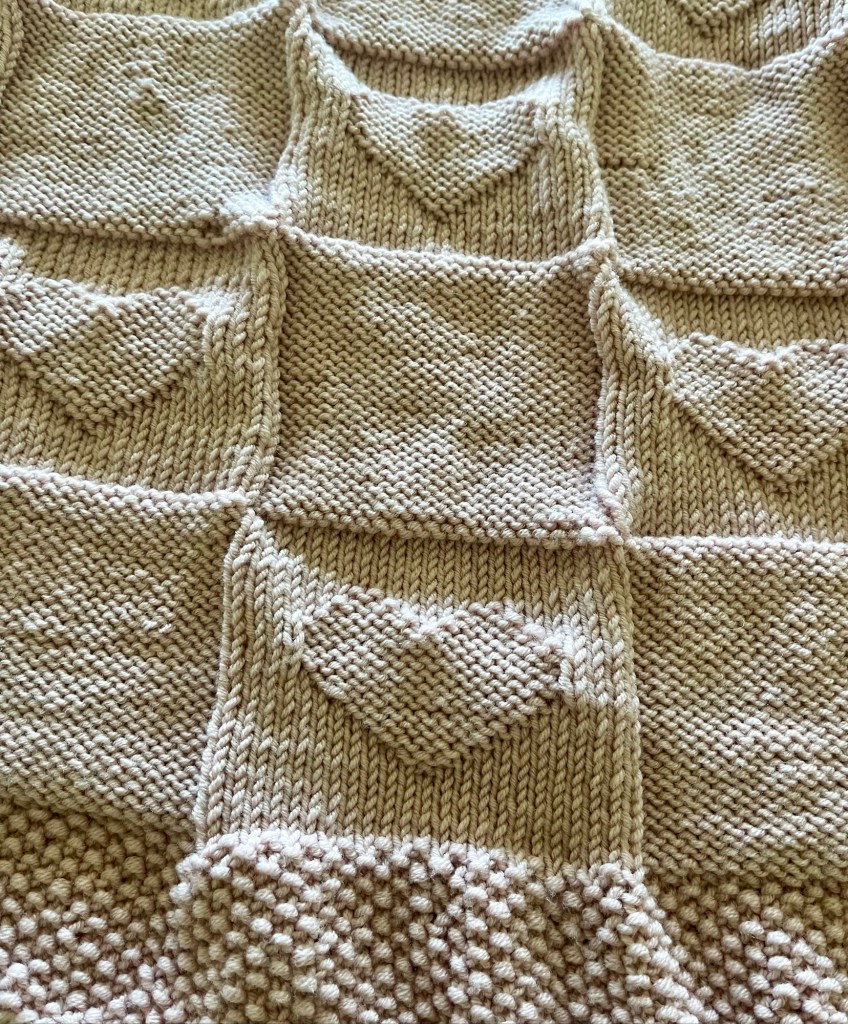
Imagine an artist hand-working a tapestry with such precision that it rippled with perfection, had no evidence of flaws in material or craftsmanship, and contained absolutely no mistakes.
Would the artist call it perfect? Would they feel any less insecure in the results of their work? Would they recognize their accomplishment? Could they see their work as flawless? Is there such a thing? Would they want to be? And how would this perfect tapestry be received any differently than any others?
The brave artist announces mistakes not in shame, with excuses, or expecting judgment, but with joy in knowing that imperfections are not signs of our flaws and weaknesses but demonstrations of our beauty – and our capacity for compassion and forgiveness. Imperfections provide opportunities for us to create, again and again, not for the sake of achieving perfection but as play with absolutely no desired outcome other than the act of creating itself.
We need not be embarrassed, fearful, or ashamed in our mistakes. We and others benefit every time we craft with complete vulnerability and humility. Each mistake is important as it leaves space for love to come through.
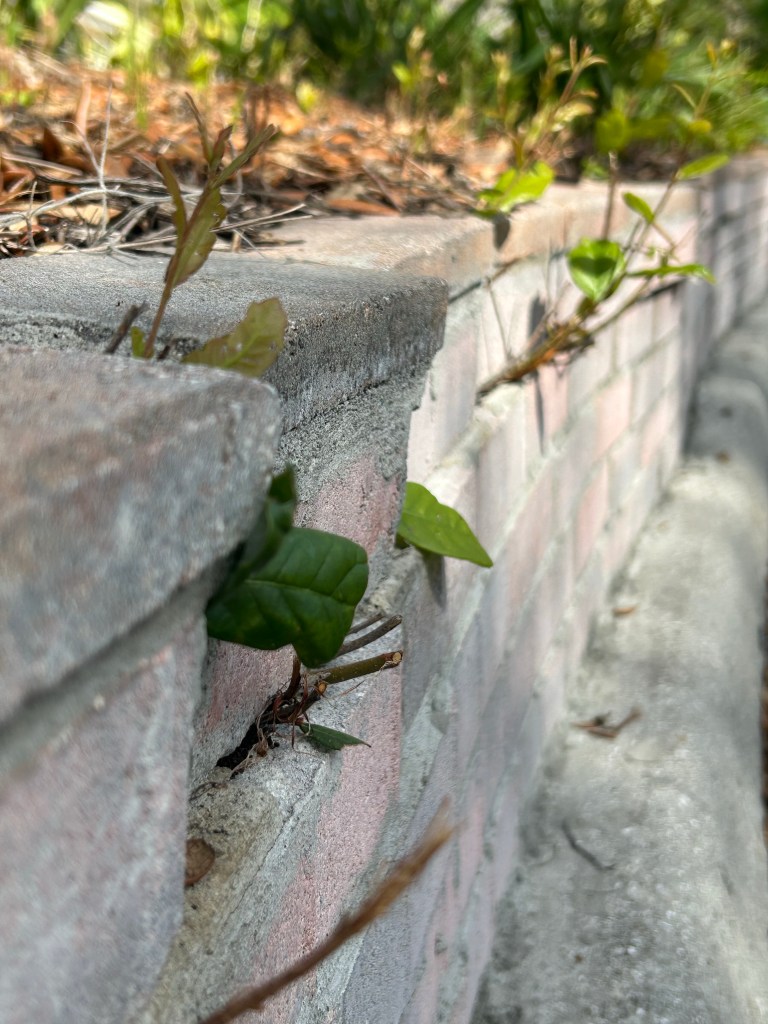
I had no idea that as I tore down the wall to rescue my abandoned self that I would nearly smother in the rubble.
Even when loss is experienced in a way that relieves abuse, abandonment and betrayal, the disruption it causes and the pain of breaking through the barriers to healing oneself are great.
And those who helped to build the wall, who reveled in the obstructing and ostracizing of that true self, walk away unphased by the devastation left behind. They go on to build thicker walls around themselves and others.
While their departure ensures the wall they left behind is not reinforced, it hurts that they do nothing to help remove the heavy stones, broken shards, and pieces of what they worked so relentlessly to build.
That burden rests on the shoulders of the self behind the wall. One by one the stones are slid aside. The dust settles. The light starts to shine through the piles and pieces as the opening grows wider and wider.
The power in seeing that self emerge, pale and weak at first – labored breathing, heavy and slow moving, still patiently and methodically forging ahead and finding its way – is so sweet to witness…even in its efforting.
That self digging out from the rubble need not feel animosity, anger, or resentment. No, that self is not needing to be rescued.
That self is triumphing in the freedom of self-acknowledgment, self-care, and self-worth.
Much of the power in healing comes from the self not needing to be rescued. The power is in putting aside the rubble and freeing oneself.
Why is it when I step out of my suffering, I am uncomfortable with the suffering of others?
Guilt arises at the feeling that I am free of pain somehow at their expense.
It is difficult to exercise compassion for the suffering of another when I hold no compassion for myself and the value of feeling pain free.
Compassion wrapped in guilt results in creating a false story in order to take on someone else’s.
True empathy is understanding suffering, holding a space of great strength and courage – enough for both of us – rising from my own pain and rising even higher from my own joy and knowing that by maintaining my balance, finesse, and freedom I offer more room for healing than by falsely taking on the suffering of others.
Compassion without guilt provides a clear path to alleviate suffering.
Compassion filled with joy brings independence, hope and healing.







 Monday Mindfulness