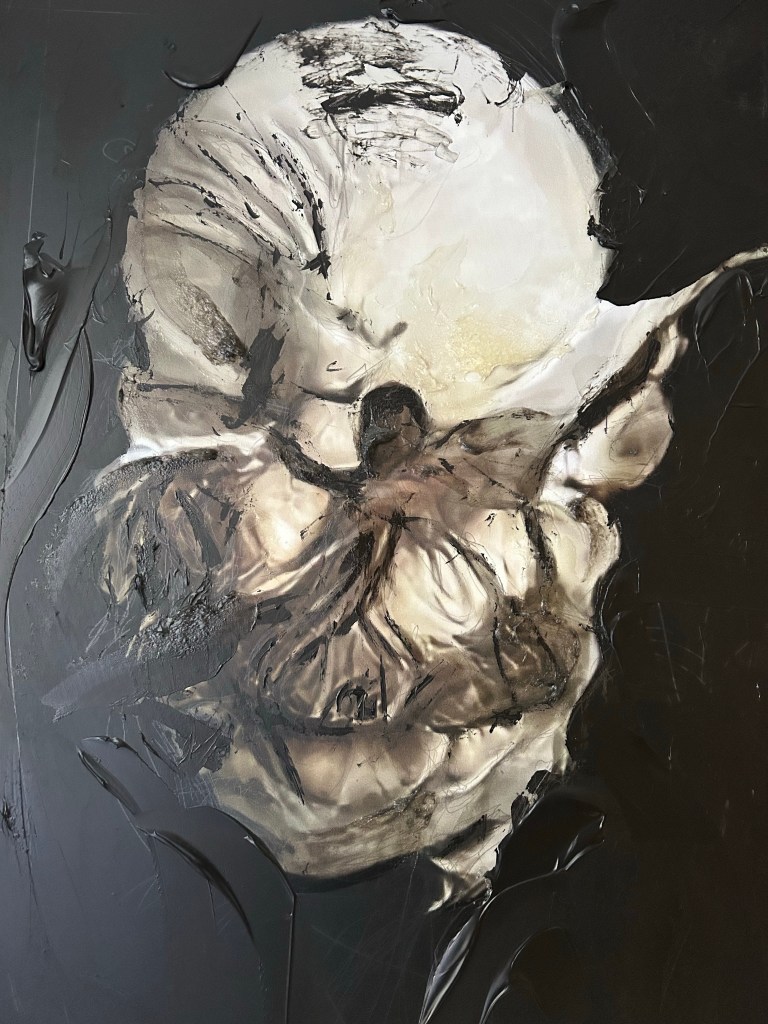
The Ackland Museum at the University of North Carolina Chapel Hill just hosted an exhibit entitled “Good Object/Bad Object,” inviting visitors to examine works of art that defy customary decorum and could be called “bad” because they are unpredictably designed yet they achieve an emotional depth and resonant beauty equal to “good” art.
Bad objects are opportunities to explore the edge of our comfort zone and try on new ways of seeing the world.
When the role is taken on responsibly, a bad object can be the catalyst of change and inspire different thinking.
Isn’t it interesting how quickly we humans need to label things as good or bad when often those characteristics are circumstantial. Nature doesn’t operate that way.
In humans, often when a bad object occurs without sufficient planning and understanding, the artist might become defensive or even resentful, denying accountability for their creation. If they have not been provided the encouragement and freedom to create outside of traditional constructs, the artist might try to hide the bad object, its potential emotional depth and beauty lost.
More often than not these days I find myself stronger, more confident, and more accomplished when I step into the role of “bad object.” It is not that I am not good at these times. It is that I willingly take responsibility for non-conforming, breaking a patterned interaction, and inciting a shift in perspective to achieve a familiar level of resonance in an unfamiliar way.
There is a role for each of us as good objects and bad objects. The contrast reminds us of our undeniable ability to contain emotional depth and resonant beauty in the most surprising ways.
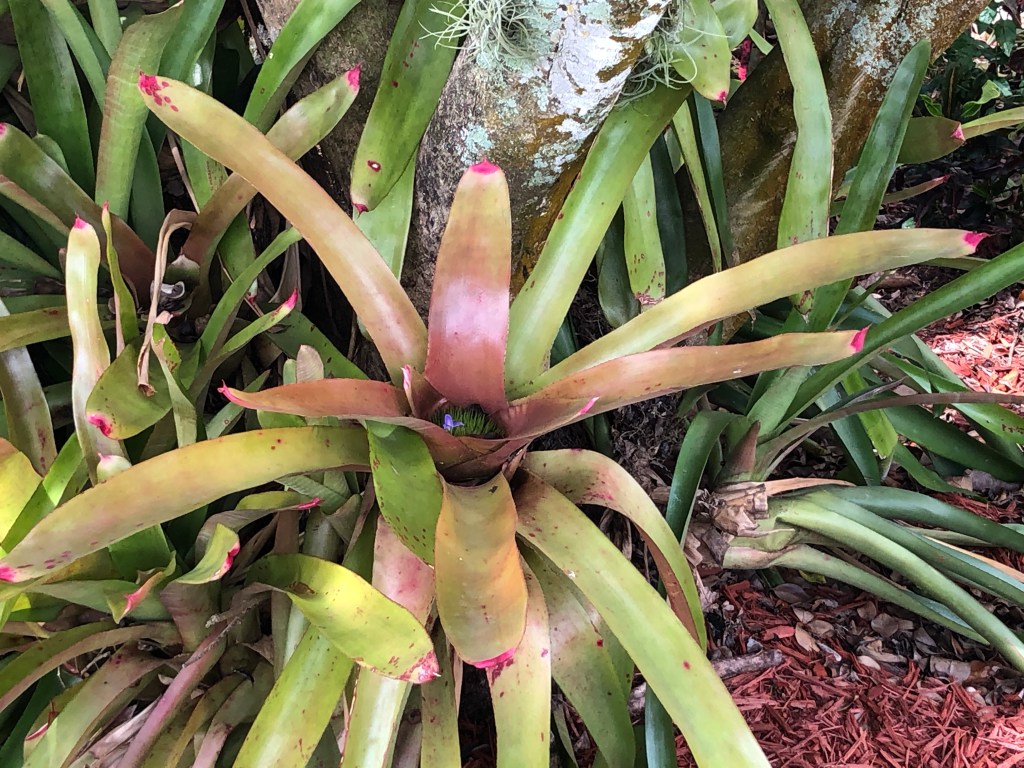
Every day, I tenderly pluck and sort the unwanted guests between the treasured plants in the garden of this life of mine. I carefully reach between the stalks and flowers I choose to keep and arrange them all just so.
And, even with the most careful attention, I never leave my garden without scrapes, brush marks and bruises.
Yes, some of the most treasured plants in my garden have thorns. I move with particular sensitivity around them lest they snag my flesh. And somehow even as they cut me, I am still able to see their beauty and feel their special worth. They reach out and brush against me as if they just want to touch, to say “isn’t this all so grand that we are here?!”
It is at that moment when I am wounded but still capable of loving – even those plants with thorns – that I recognize that this coexistence is the essence of thriving.
Funny how we assign emotions, assume other’s perspectives, and assimilate outside experiences as our own.
The body works so hard to represent the advisory panel of our thoughts, feelings, and sensations, but sometimes it doesn’t always get that representation right. Sometimes we read too much into posture, expression, engagement. We jump to conclusions.
All along, it’s just a series of labels we attach to things to create order — an illusion that we have some sort of control.
Let the labels wash away and then what is there? Energy — plain and simple chemical reactions — that whimsically attach to illusions. Eliminating the labels, we engage our intuition, not just our eyes, to interpret our surroundings. It is not always what I see that informs, but how it bumps up against me energetically.
The real gift in communication and connection is tapping into that energy.
Bored…or relaxed?
Impatient…or enthusiastic?
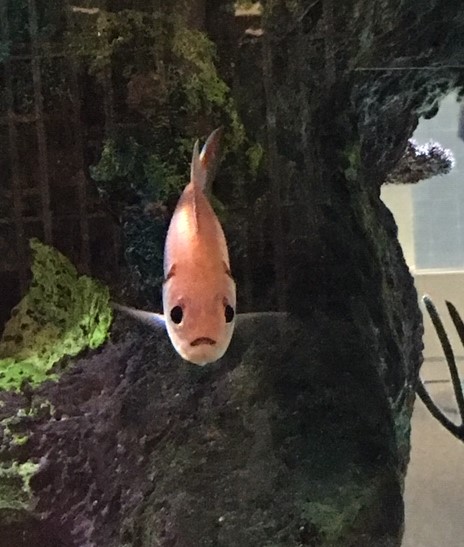
Sad…or peaceful?
Or maybe the energy isn’t connected to the expression at all.
Lose the labels…make the deeper connections…feel the power in knowing beyond seeing.
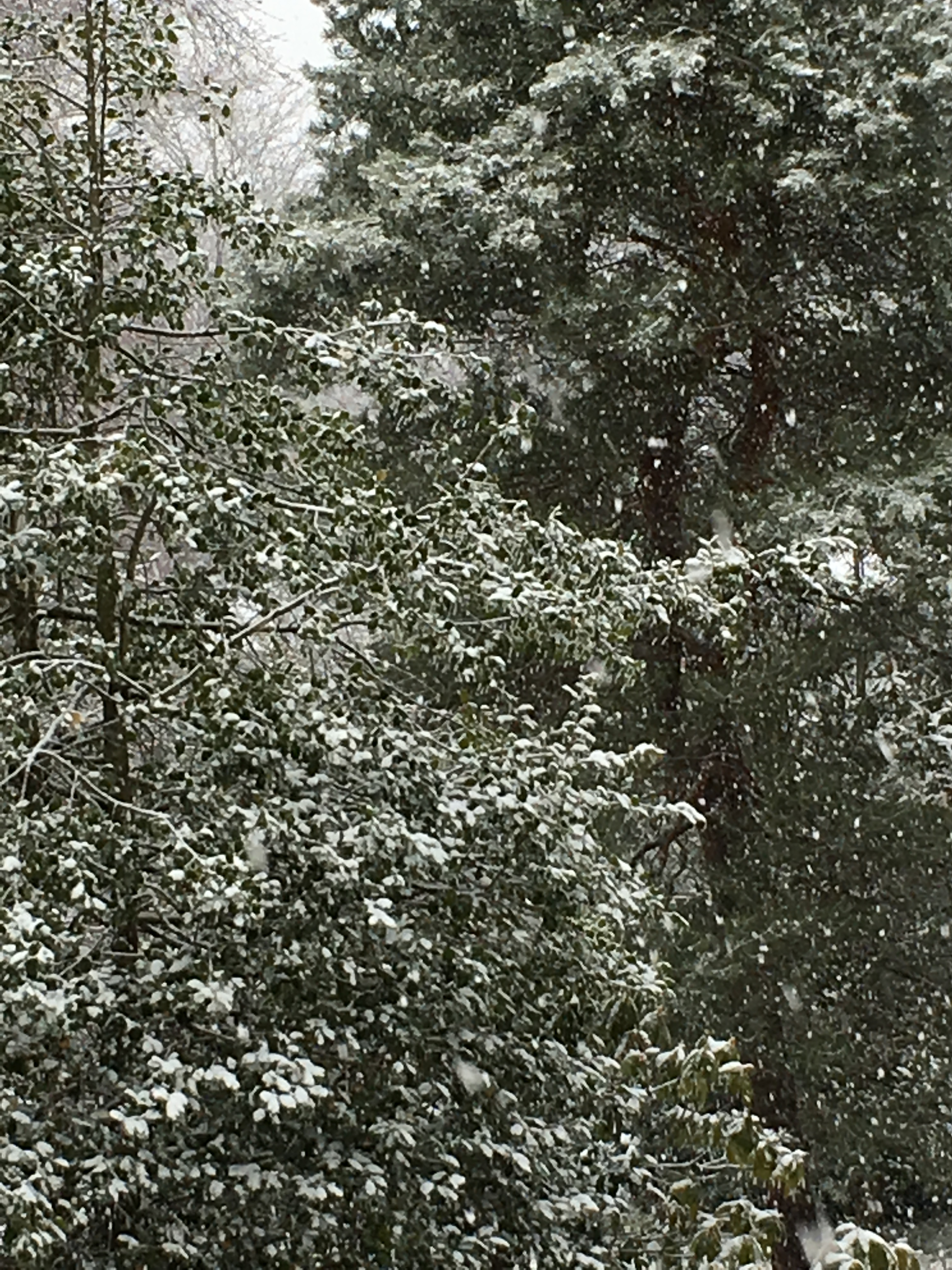
“Is he a snowflake?” she asked. And, in the silent pause beyond the question, I truly saw him…magnificent…sparkling…a treasure floating in the cool, gray sky. Born of lunar energy, peaceful, bending, flowing, he works so hard to fit in, to be hot and fiery, but that is not his nature.
I could fill myself with worry and doubt about how this world full of tapas – heat and fire – will surely melt him. But instead I must believe in the strength of his molecular bonds and the cool subtle wind currents to carry him.
There are countless others in the sky with him, racing to connect and build a world of peace and stillness.
It is in the cool, gray sky where they fit best. So, I will give it to them. I will be the moon and the clouds. I will be the cool, present, flowing, calm sky that allows them to sparkle and gather.
And while this sky may seem less desirable and the darkness that soothes them uncomfortable for many, it is their time to shine. It is time to let them feel their strength and fortitude, to be just the way they are.
In this cool, gray space of unconditional acceptance, they sparkle. In the serenity, they can leave behind their struggle to fit in, their fight to find others like them, and the worry and self-doubt that constantly tugs at them.
It is time for these beautiful snowflakes to know their magnificence and for our world to benefit from giving them a space to thrive.
Noticing something, my mind quickly jumps in to create a story.
I have this sensation. I will label it. I will now connect it to good or bad. My mind will attach it to a memory and define it as an experience.
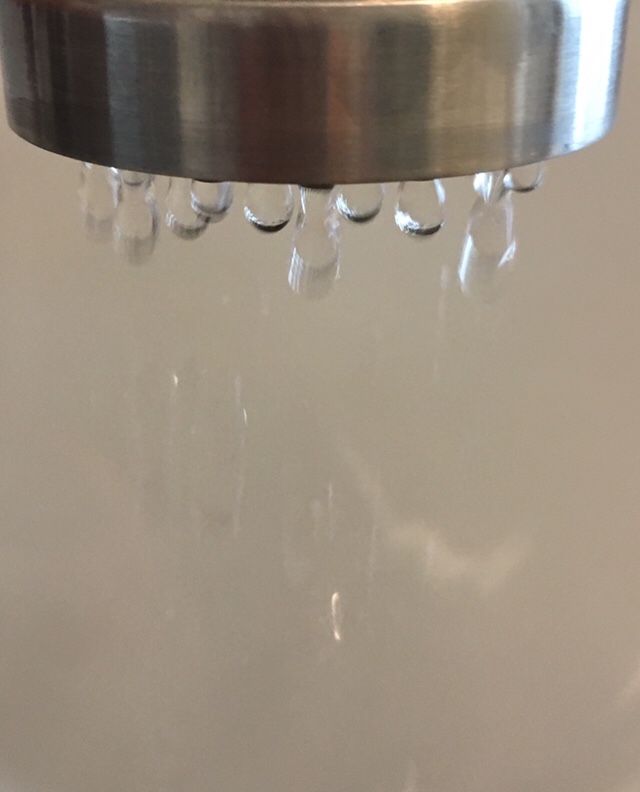
How splendid it would be to just notice with curiosity, not the critical mind, as each thought occurs like drops of water. Inquisitively, I watch the water dripping, not seeking to explain its circumstance but simply present in its occurrence.
Awareness without analysis, knowledge for discovery, not proof or justification.
When I “oh” instead of “why”, I “be” instead of “do.”

 Able to move great vessels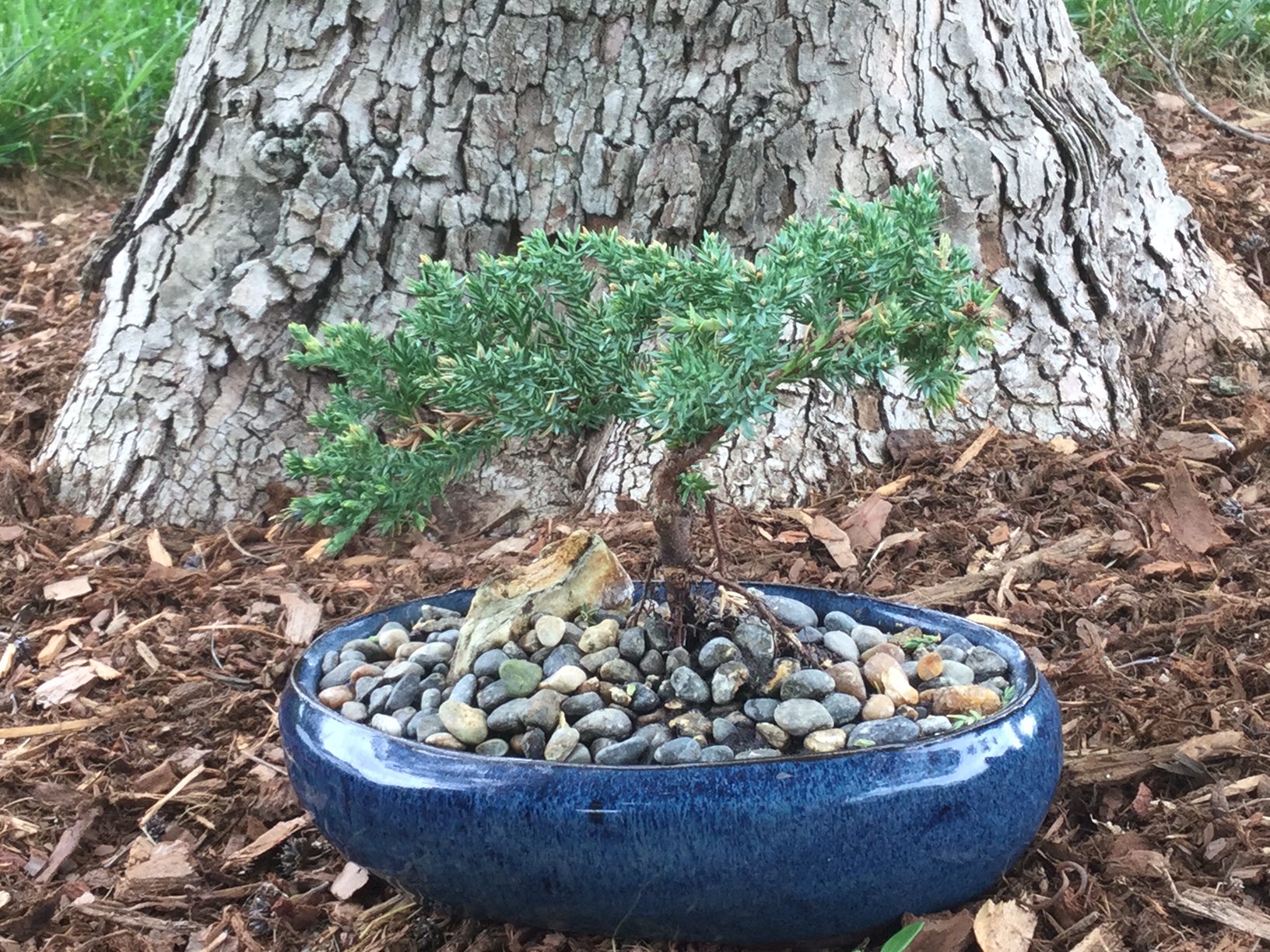
 Monday Mindfulness